
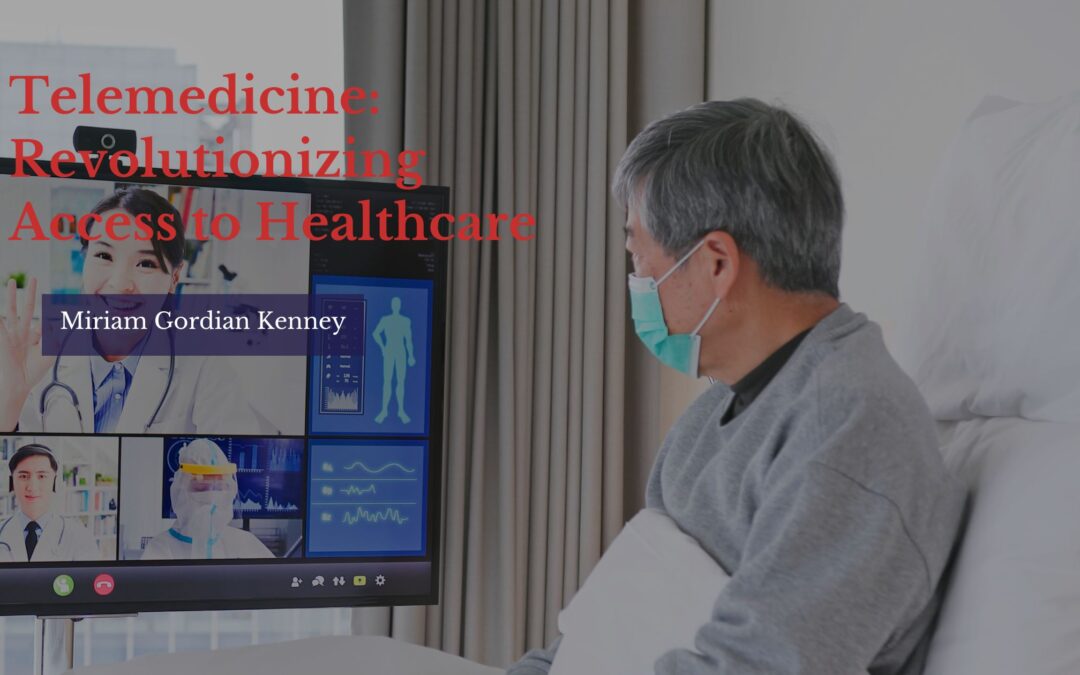
Telemedicine has become one of the most transformative innovations in modern healthcare. With advancements in technology, patients can now access medical consultations from the comfort of their homes, minimizing the barriers of distance, time, and cost. Telemedicine provides a range of services, from general consultations to specialized care, making healthcare more accessible for people in rural or underserved areas.
The most significant benefit of telemedicine is its ability to bridge the gap between healthcare providers and patients. For individuals living in remote locations, seeing a doctor can be challenging due to limited access to healthcare facilities. Through video calls and virtual consultations, patients can connect with doctors from anywhere, ensuring that their medical needs are met promptly.
Telemedicine also helps reduce the strain on in-person visits, allowing healthcare providers to manage a larger number of patients without compromising the quality of care. This is particularly beneficial during health crises, such as the COVID-19 pandemic, when in-person visits were limited due to social distancing measures. Moreover, telemedicine enables healthcare providers to monitor chronic conditions remotely, reducing the need for frequent office visits and enabling quicker interventions when necessary.
Despite its many advantages, telemedicine does face some challenges, such as ensuring patient privacy, maintaining the quality of medical advice, and the digital divide in access to technology. However, as technology improves and regulations adapt, telemedicine’s role in healthcare is expected to expand, offering more convenient, effective, and equitable care.