
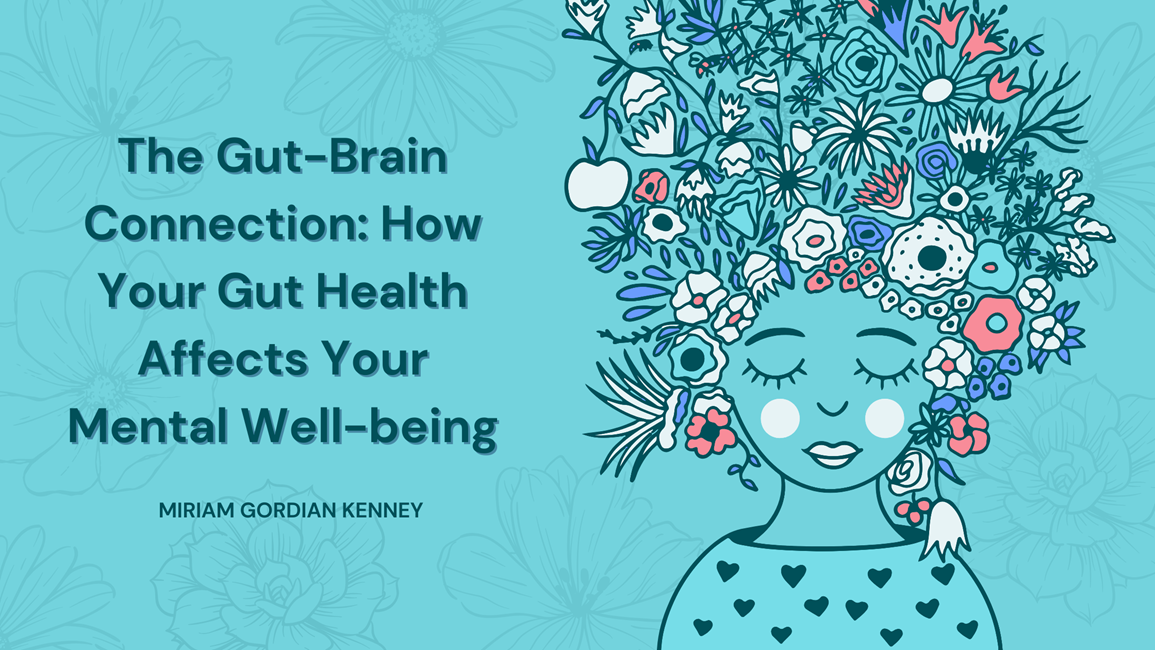
A fascinating link exists between our gut and brain health in the intricate web of our body’s functions. Understanding the gut-brain connection reveals the importance of a well-balanced diet and its influence on our mental wellness. Let’s delve into the symbiotic relationship between gut health and mental health.
The Gut Microbiome: Guardians of Balance:
At the heart of the gut-brain connection lies the gut microbiome, a vast community of microorganisms inhabiting our digestive tract. This microbiome plays a pivotal role in maintaining balance in both physical and mental realms.
Communication Highway – Vagus Nerve:
The communication highway between the gut and the brain is the vagus nerve. This bi-directional pathway allows signals to travel between the gut and brain, influencing various aspects of our mental state, including mood and stress levels.
Serotonin Production – The Happy Messenger:
Did you know that about 90% of serotonin, the neurotransmitter associated with happiness, is produced in the gut? A healthy gut ensures an optimal environment for serotonin production, contributing to a positive mood and emotional well-being.
Inflammation: A Double-Edged Sword:
Disruptions in the gut can result in inflammation, affecting the digestive system and the brain. Chronic inflammation is linked to conditions like depression and anxiety, emphasizing the need to address gut health for mental well-being.
Probiotics and Prebiotics – Allies for Mental Health:
Including probiotics (beneficial bacteria) and prebiotics (the fiber that feeds these bacteria) in our diet supports a flourishing gut microbiome. Yogurt, kefir, sauerkraut, and fiber-rich foods are excellent choices to promote gut health.
Dietary Impact on Mental Health:
Consuming a diet rich in processed foods and sugars may negatively affect the gut microbiome, potentially leading to imbalances that influence mental health. Opting for a nutrient-rich, diverse diet can foster a healthier gut and, consequently, a happier mind.
Stress Management: A Two-Way Street:
Stress can disrupt the gut-brain axis, affecting digestion. Simultaneously, an imbalanced gut can contribute to stress and anxiety. Incorporating stress-management techniques, such as mindfulness and relaxation exercises, benefits both gut and brain health.
Conclusion:
Cultivating a harmonious relationship between your gut and brain involves mindful choices in diet and lifestyle. Understanding the gut-brain connection empowers us to take proactive steps toward mental well-being. Nourish your gut with wholesome foods, embrace stress management, and embark on a journey where a healthier gut translates to a happier, more balanced life. Remember, the path to mental well-being often starts in the gut.